




Updates and news
27 Million in Need: The Escalating Humanitarian Crisis in the Democratic Republic of Congo
Jerry Kim
조회 764
The Democratic Republic of Congo (DRC) is currently facing a severe humanitarian crisis, with over 27 million people in need of humanitarian assistance. This figure, though slightly lower than the previous year, remains 35% higher than the estimated humanitarian need in 2022. The crisis is largely fueled by increased violence over recent years, contributing to one of the world's largest food crises.
The root of this crisis can be traced back to the DRC's troubled history, including periods of oppression, neglect, and unrest. The country, which suffered under Belgian colonial rule in the 19th Century, has been plagued by ongoing outbreaks of armed conflict, often triggered by disputes over land, natural resources, and ethnicity.
Despite the United Nations targeting 10.6 million of the 27.3 million Congolese in need, funding shortfalls mean that more than half of those requiring aid remain in a precarious situation. The country, which has the highest number of internally displaced people in Africa and a large refugee population, is also grappling with repeated epidemics of cholera, measles, and malaria, indicative of a weak health system.
Organizations like Concern have been actively working in the DRC since the late 1990s, focusing on long-term development through building schools and health centers, training teachers and health volunteers, and supporting agriculture and livelihood projects. Additionally, new water and sanitation infrastructures are being developed, especially in provinces struggling to recover from two civil wars.
However, the humanitarian situation in DRC is complicated by the scale of the conflict and a significant decline in funding. The UN Humanitarian Coordinator in the country highlighted the tough choices humanitarian workers face in deciding who to assist due to funding constraints. The country is experiencing a food insecurity crisis, with 26.7 million Congolese food insecure. This crisis is compounded by a protracted protection crisis, with inter-ethnic conflict over natural resources requiring urgent humanitarian assistance in healthcare, food, shelter, water, sanitation, and education.
The international community is urged to increase its support and funding to address these pressing needs and prevent the DRC from falling back into a more significant humanitarian emergency
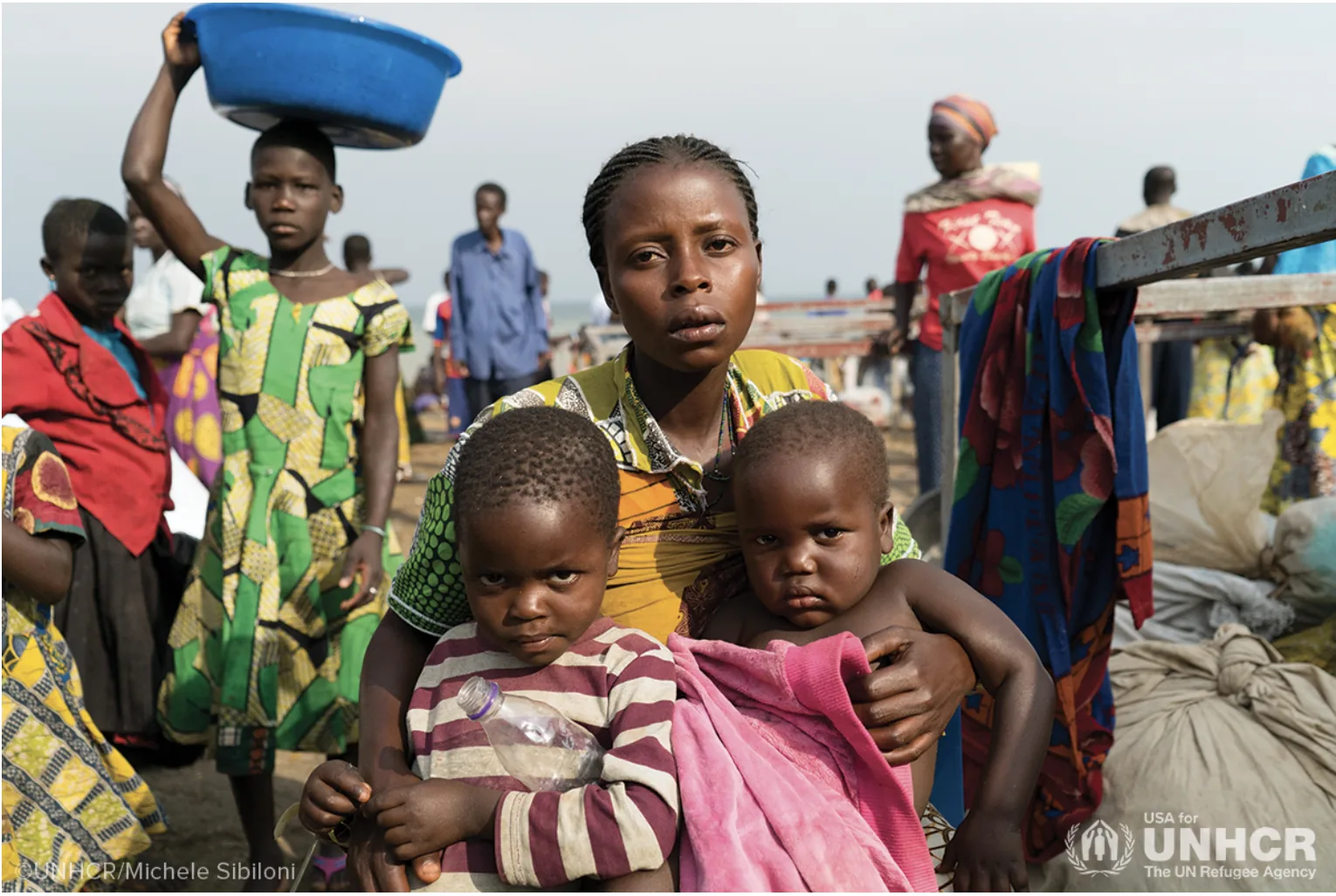
(Source:https://www.unrefugees.org/news/democratic-republic-of-the-congo-refugee-crisis-explained/)